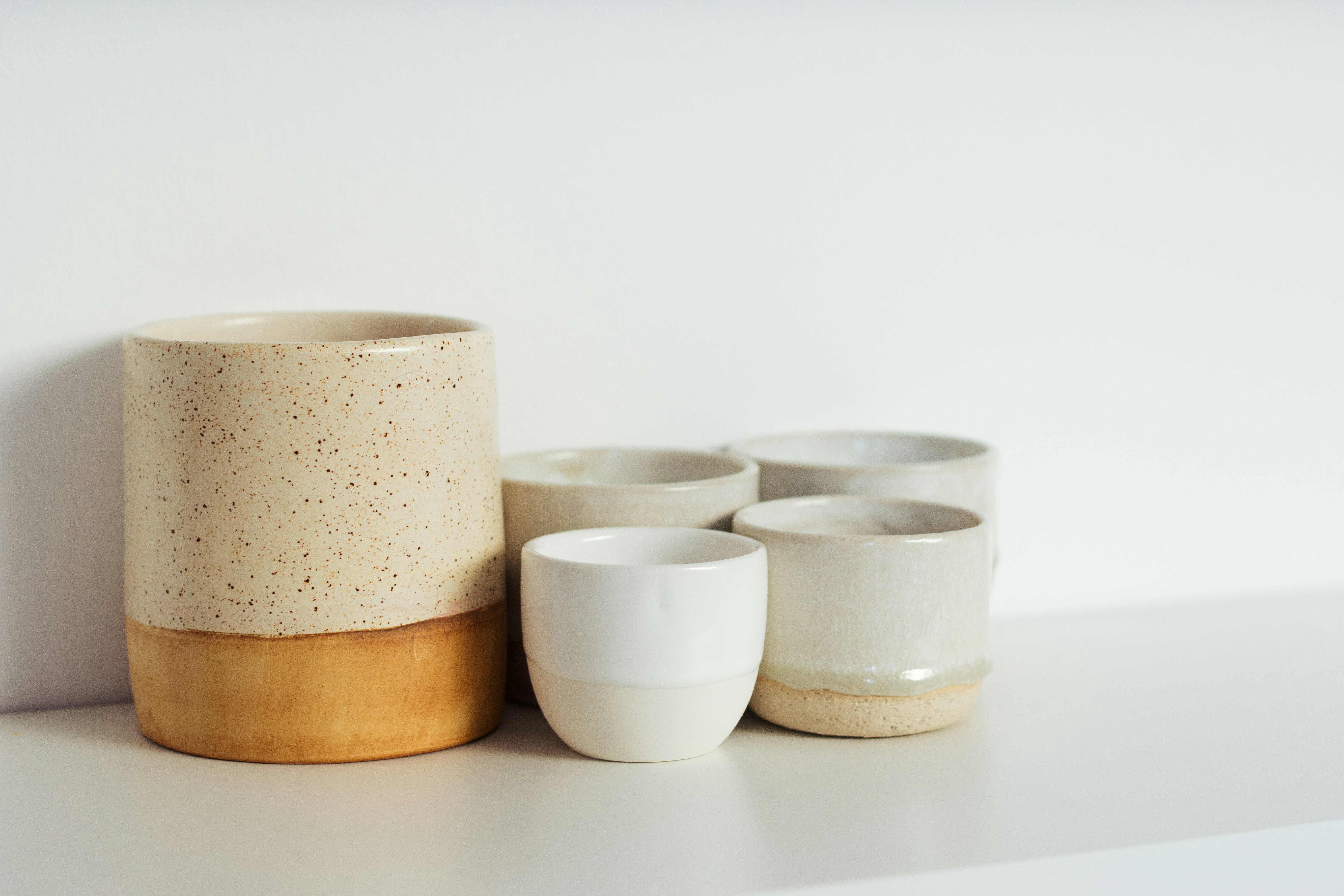
Pottery has held a quiet but essential place in Jaffna's Tamil households for generations. Long before stainless steel and plastic containers became common, clay pots — known locally as 'panai chatti' — were used for cooking, storing water, and preserving grains, and in many rural homes across the peninsula, they still are.
Jaffna's potters, many belonging to families who have worked with clay for generations, continue to shape, fire, and finish these vessels using techniques that predate industrial tools — a hand-turned wheel, careful kneading, and open-air firing in wood-fed kilns.
The Craft of Shaping Earth
The process begins with clay sourced from local pits, which is cleaned of stones and impurities before being kneaded to the right consistency. Using a manually spun wheel, potters shape everything from small cooking pots to large water vessels, relying on years of muscle memory rather than measurements or molds.
Once shaped, the pots are dried in the sun before being fired, a step that hardens the clay and gives each piece its distinctive earthy tone. Some potters add simple decorative patterns or a smooth, burnished finish, while others leave the surface naturally rustic — a hallmark of authentic, handmade pottery.
Keeping the Wheel Turning
As affordable metal and plastic alternatives have flooded the market, many traditional potters in Jaffna have faced declining demand. Yet interest in natural cookware — prized for the way clay pots retain heat and are believed to enhance flavor — is helping revive appreciation for this craft, both within Sri Lanka and among buyers abroad.
Supporting Jaffna's pottery tradition means more than owning a beautiful, functional object. It means helping keep a centuries-old skill alive in the hands of the families who have practiced it for generations.